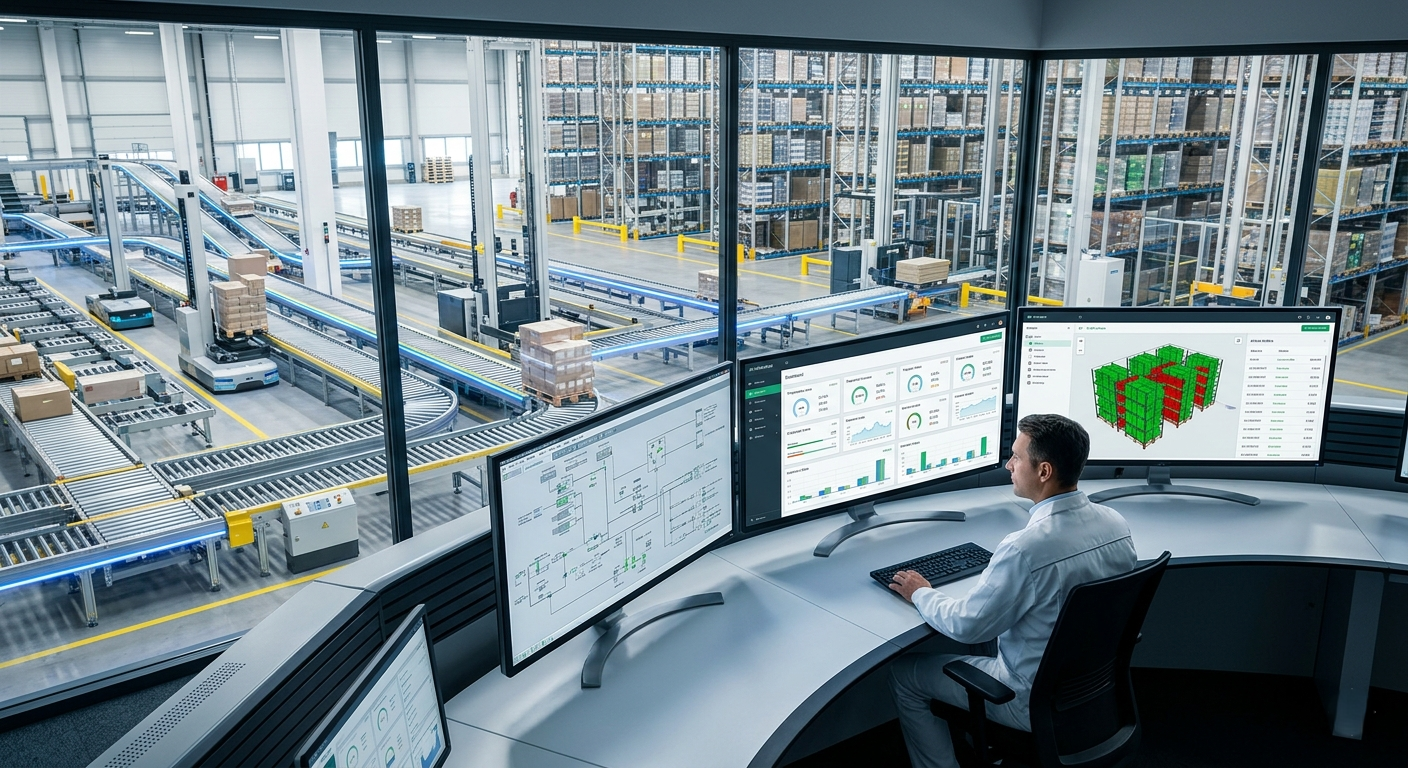
Professional & Trusted
Full Turnkey Control Solutions
Utilising our wealth of experience across a wide range of disciplines — customised solutions within your budget.
Keep Up To Date
Latest News
26 Jul 2026
IoT Meets SCADA: How Industrial IoT Is Reshaping Supervisory Control in 2026
Traditional SCADA was built around a fixed set of PLCs and RTUs polled over dedicated industrial networks. That model is being stretched by the arrival of Industrial IoT: cheap, wireless sensors that can be bolted onto equipment never wired into the control system in the first place, feeding data upward through lightweight protocols like MQTT and standardized data models like OPC UA rather than proprietary drivers. The result is a SCADA layer that increasingly sees the whole plant, not just the assets that happened to be in scope when the system was designed.
Edge gateways have become the practical glue for this. Rather than backhauling raw sensor data straight to the cloud, edge devices now filter, aggregate, and run first-pass analytics locally — flagging vibration anomalies or temperature drift before the data ever reaches the historian — and only forward what matters. That keeps bandwidth and latency in check while still feeding cloud-based analytics platforms the context they need for fleet-wide trending and predictive maintenance models.
The payoff shows up most clearly in maintenance strategy. IoT-fed SCADA systems are moving sites from scheduled or reactive maintenance toward condition-based maintenance, where a pump or motor gets serviced because its sensor data says it needs it, not because a calendar says so. That shift depends on SCADA and IoT data living in the same place — which is exactly the integration work that used to be the hardest part of these projects and is now increasingly handled out of the box by modern platforms.
Our Work
Latest Case Study
18 Jun 2025
Mastering The Flow: Global Pump Operations Web SCADA
Traditional monitoring methods are inadequate for the demands of modern, large-scale industrial operations. To provide essential intelligence and agility, IMSI deployed a Web SCADA system to simultaneously manage 5,000 pump controllers, effectively overseeing hundreds of thousands of instruments.
This paradigm shift overcomes logistical challenges and data volume issues by enabling real-time insights, mitigating unpredicted downtime, and providing global remote accessibility.
What We Offer
Our Services
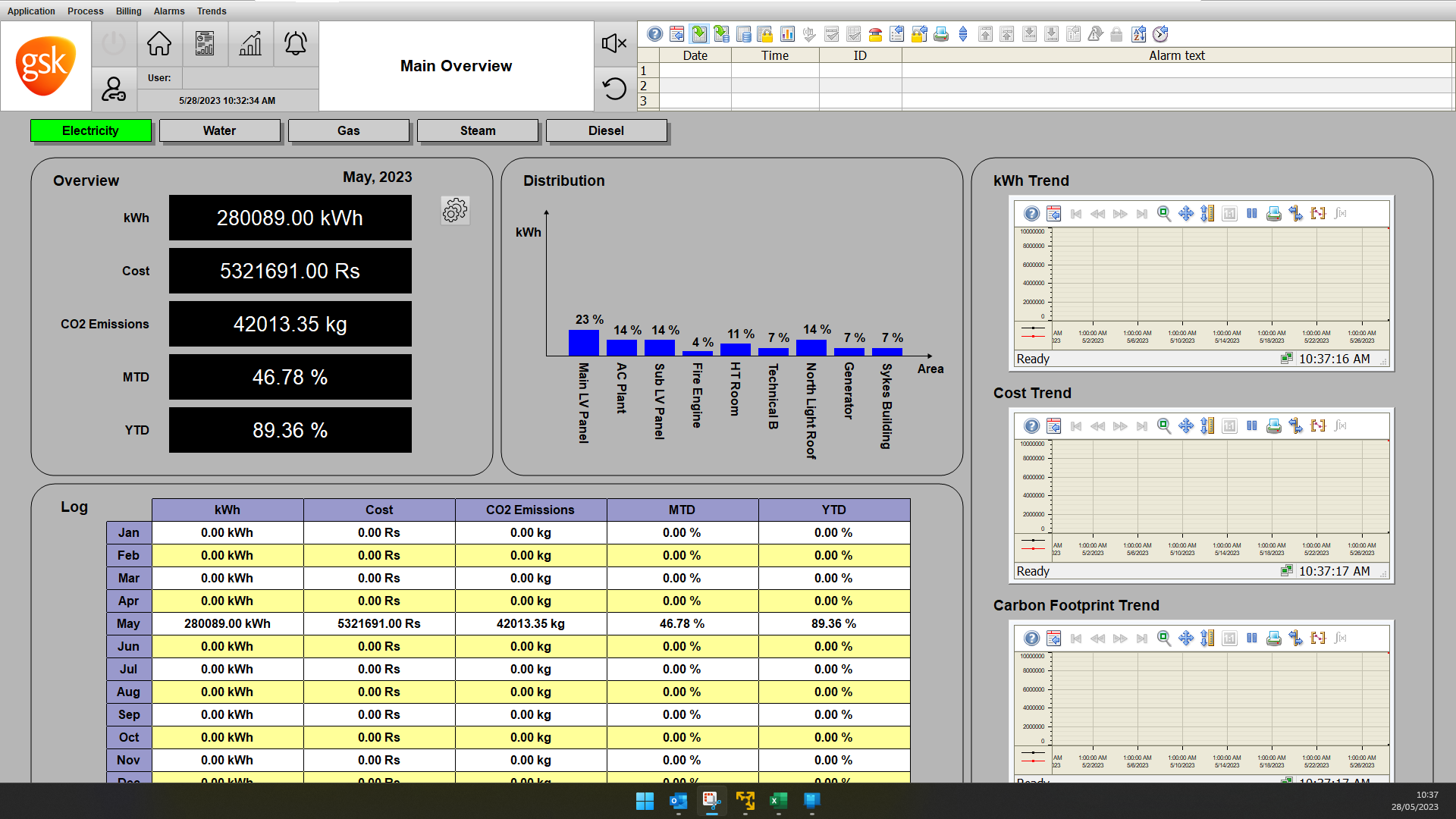
Control Systems Design
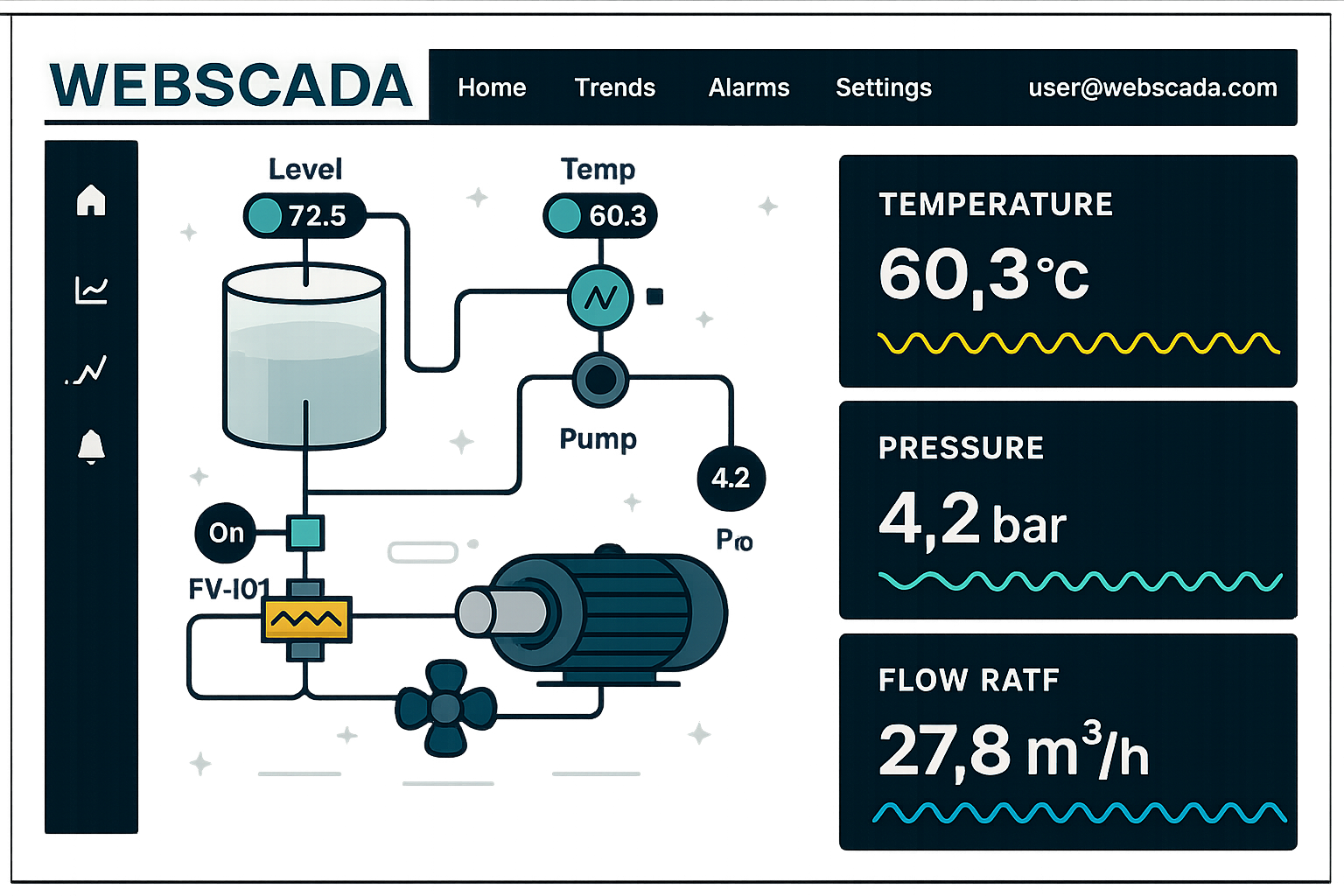
Web SCADA Design
WebSCADA (Supervisory Control and Data Acquisition via web technologies) is a modern evolution of traditional SCADA systems. It allows operators to monitor and control industrial processes remotely through web interfaces, offering:
- Real-Time Visualization: Access dashboards from any device, anywhere.
- Scalability: Easily integrate new devices and expand system capabilities.
- Cost Efficiency: Reduces infrastructure and maintenance costs compared to legacy systems.
- Security & Accessibility: Implements secure protocols while enabling multi-user access across locations.
Industry 4.0 with IoT and WebSCADA empowers manufacturers to build smart factories that are agile, efficient, and future-ready. It’s not just a technological upgrade—it’s a strategic transformation.
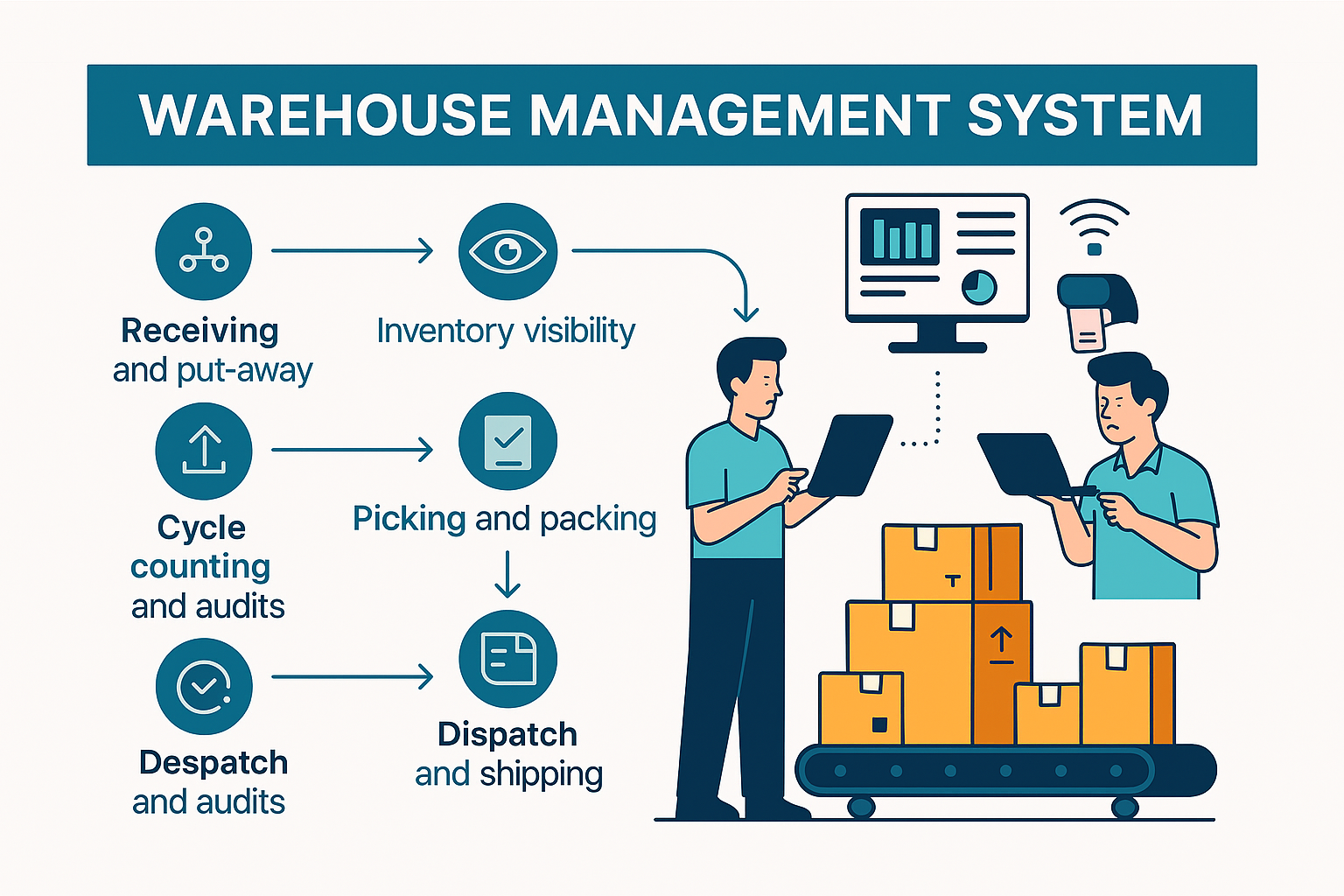
Warehouse Management System
A warehouse management system (WMS) coordinates the flow of goods, data, and operations inside a warehouse so inventory moves with accuracy, speed, and traceability. It acts as the operational backbone for modern supply chains, connecting people, equipment, and digital systems into one coordinated environment.
Core functions
- Inventory visibility — Tracks every item’s location, quantity, and movement in real time, reducing stockouts and overstocking.
- Receiving and put‑away — Guides operators through optimized storage locations to minimize travel time and improve space utilization.
- Picking and packing — Supports batch, wave, zone, and automated picking strategies to increase throughput and reduce errors.
- Order management — Prioritizes and sequences orders based on deadlines, carrier schedules, and resource availability.
- Dispatch and shipping — Ensures correct labeling, documentation, and carrier integration for smooth outbound logistics.
- Cycle counting and audits — Maintains inventory accuracy without shutting down operations.
Sectors We Serve
Industries

Food
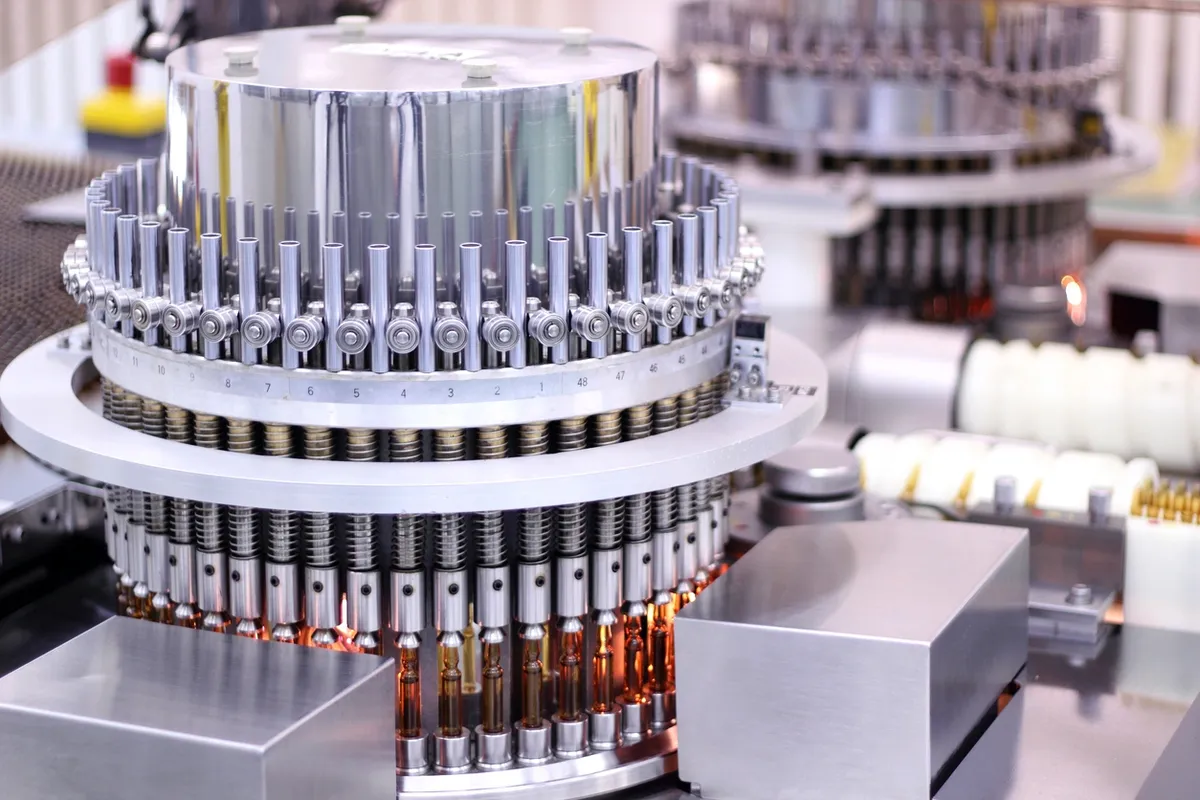
Pharmaceutical

Automotive
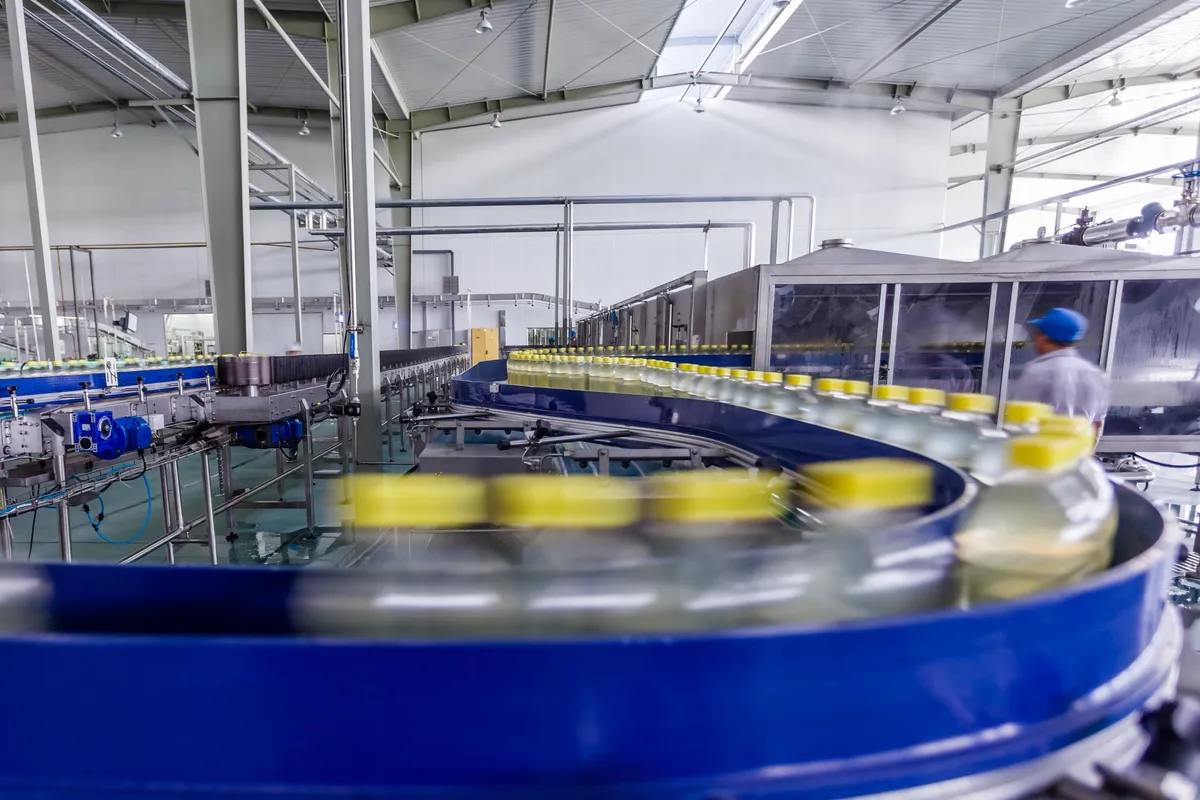
Manufacturing

Packaging

Recycling
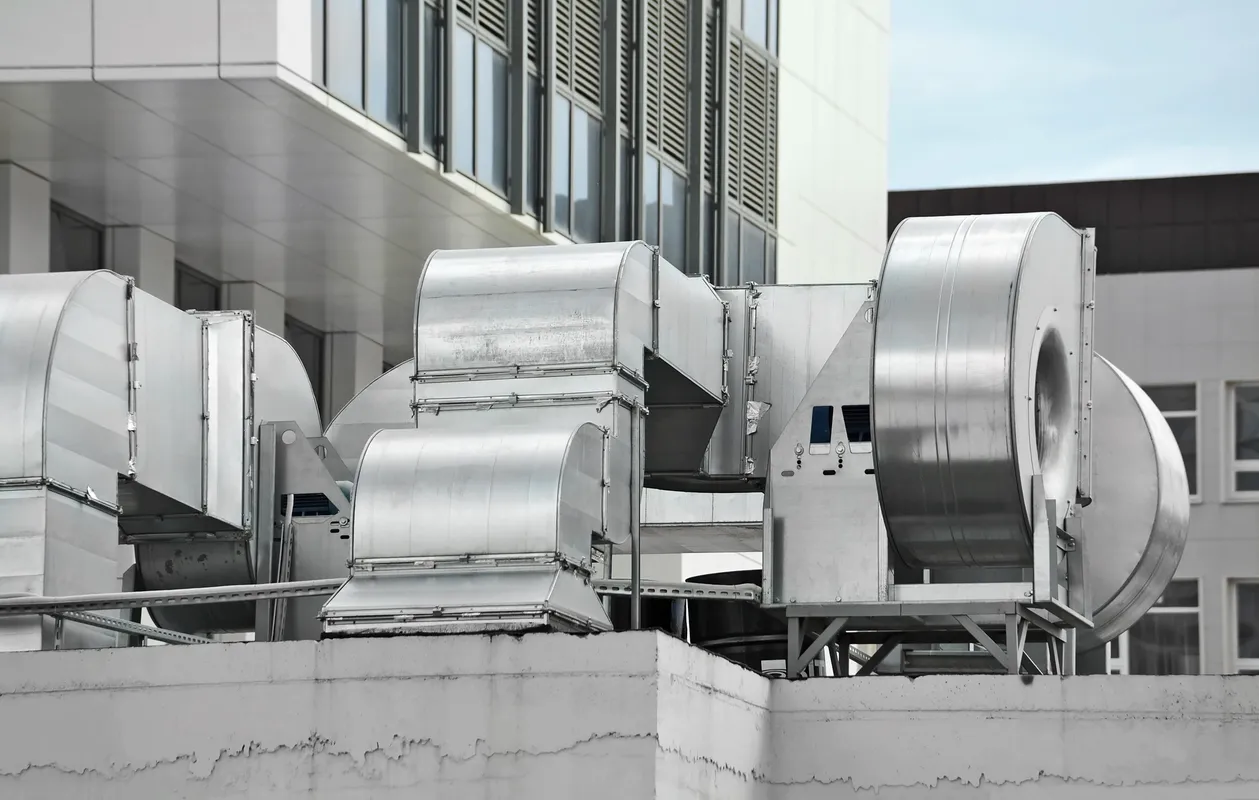
HVAC

Water Treatment
Our Capabilities
Technical Expertise
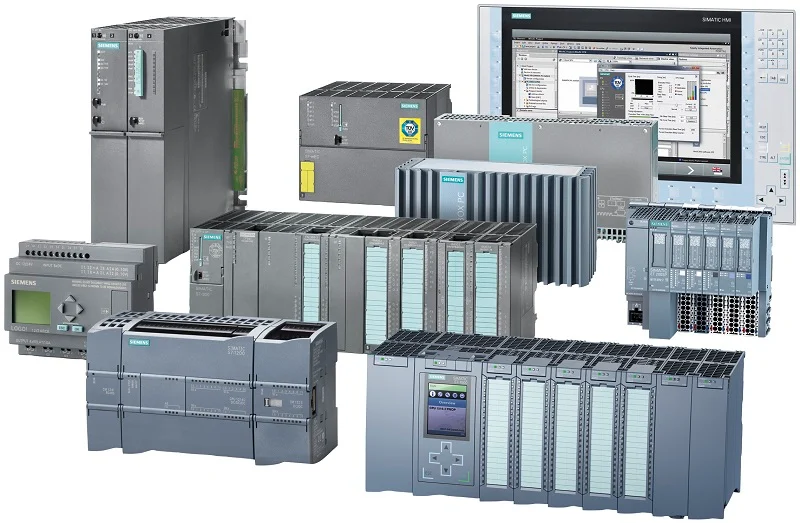
PLC Programming
We program and commission PLCs across manufacturing and process environments, turning your process requirements into control logic your maintenance team can actually support long after we've left site.
- Studio5000
- RSLogix5000
- RSLogix500
- Connected Components Workbench
- Integrated Architecture Builder
- Simatic Manager v5.5, v5.6, v5.7
- TIA Portal v14, v15, v16, v17
- Beckhoff
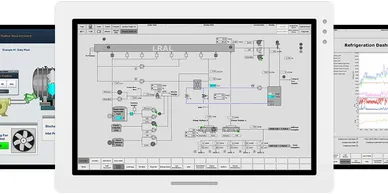
SCADA Design
Our SCADA and HMI screens are designed for the operator under pressure — the information they need, when they need it, without the clutter that slows a response down.
- FTView SE
- FTView ME
- Wincc Classic v7.4
- Wincc v16
- Comfort Panels
- Wonderware Intouch
- Beckhoff HMI
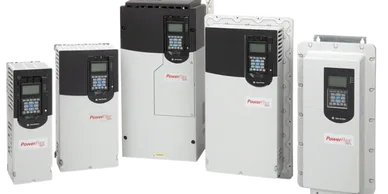
Variable Speed Drives
We size, install, and configure variable speed drives to cut energy use and give you precise control over motor-driven equipment — conveyors, pumps, fans, and beyond.
- PF523
- PF525
- PF753
- PF755
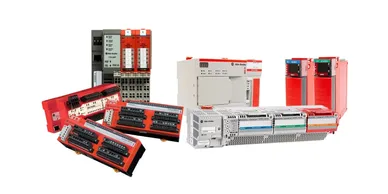
Machinery Safety Design
Machine safety is designed in, not bolted on. We build safety-rated control systems that protect your people without getting in the way of production.
- Control GuardLogix
- Compact Guard Logix
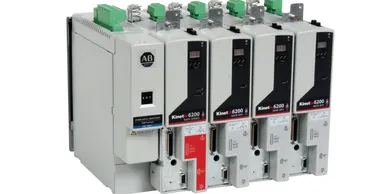
Motion Control Applications
For applications that demand precision — indexing, synchronised axes, high-speed positioning — we design motion control systems built around what your process actually needs.
- PF755
- Kinetix

Web Applications
We build custom web applications that put your operational data in front of the people who need it — a live production dashboard, a customer portal, or an internal tool that replaces a spreadsheet.
- Full Stack Web Applications
- Frontend - HTML, css, js
- Backend - Flask
- Backend - Django
- Database - MySQL
- Database - SQLite
- Docker
- Docker Compose
- Linux
Ready to Work Together?
Tell us about your project and let's find the right solution for you.
Contact Us